
Gemstone Guide: Colours, Birthstones and Jewellery Care
Mireille EidChoosing a gemstone starts with its identity, colour and suitability for the way you wear jewellery. This guide introduces familiar gem materials and birthstones, with practical questions to ask before buying.
Gemstone names describe materials, while words such as “turquoise-coloured” may describe only a colour. Symbolic meanings belong to cultural traditions and personal interpretation.
دليل مبسّط للأحجار وألوانها وأحجار الميلاد، مع نصائح لاختيار المجوهرات والعناية بها. لون الحجر وحده لا يثبت نوعه، والزركون الطبيعي يختلف عن الزركونيا المصنّعة.
Gemstones and their characteristics
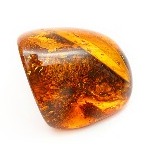
AMBER
Amber is fossilised tree resin, valued for its warm yellow, orange and brown colours. It is an organic gem material rather than a mineral.
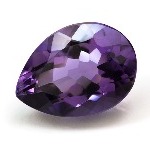
AMETHYST
Amethyst is purple quartz and a February birthstone. Its colour can range from a light lilac to a rich violet.
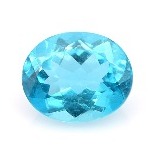
APATITE
Apatite occurs in blue, green, yellow and other colours. It is relatively soft, so jewellery set with apatite needs protection from scratches and knocks.
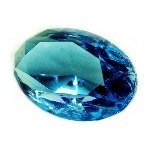
AQUAMARINE
Aquamarine is the blue to greenish-blue variety of beryl and a March birthstone. Its name refers to the colour of seawater.

CARNELIAN
Carnelian is an orange to reddish-brown variety of chalcedony. Its warm colour makes it a distinctive choice for beads and carved jewellery.

CHALCEDONY
Chalcedony is a form of quartz with very small crystals. It appears in a range of colours, including soft blue, grey and white; it is not generally listed as a modern December birthstone.

CRYSTALS
Crystal describes a material's ordered internal structure, not one specific gemstone. Rock crystal is colourless quartz; a product described simply as crystal may instead contain manufactured glass.

DIAMONDS
Diamond is prized for its brilliance and exceptional resistance to scratching. Hardness does not prevent chipping, so protect diamond jewellery from sharp impacts.

EMERALDS
Emerald is the green variety of beryl and a May birthstone. Inclusions and treatments can affect its care requirements; ask about these before cleaning.

GARNET
Garnet is a group of gemstones found in red, green, orange, pink and other colours. It is a January birthstone.

JADE
Jade refers to two gem materials: jadeite and nephrite. Green is familiar, but jade also occurs in white, lavender and other colours.

JASPER
Jasper is an opaque quartz material appreciated for its patterns and varied colours. Its appearance makes each patterned piece distinctive.

LABRADORITE
Labradorite is a feldspar that can display flashes of blue, green and gold as the viewing angle changes. This optical effect is called labradorescence.

LAPIS LAZULI
Lapis lazuli is a rock prized for its rich blue colour. Some specimens contain visible white calcite or golden-looking pyrite flecks.

ONYX
Onyx is a variety of chalcedony associated with parallel colour bands. Black onyx sold in jewellery may have been treated to achieve an even colour.

OPAL
Some opals display shifting flashes of colour known as play-of-colour; others do not. Opal is an October birthstone and needs careful handling.

PEARL
Pearls form in molluscs and may be natural or cultured. They are June birthstones and should be protected from perfume, chemicals and abrasive surfaces.

PERIDOT
Peridot is the gem variety of olivine, recognised by its yellow-green to olive-green colour. It is an August birthstone.
QUARTZ
Quartz includes colourless rock crystal, purple amethyst and pink rose quartz. Rose quartz is often associated with love in jewellery symbolism.

RHODOLITE
Rhodolite is a pink to purplish-red variety of garnet. The correct name is rhodolite, rather than rhodite.

RUBY
Ruby is the red variety of corundum and a July birthstone. Colour, treatments and origin can all influence how a ruby is described and valued.

SAPPHIRE
Sapphire is corundum in colours other than ruby red. Blue is the best-known colour, but sapphires can also be pink, yellow and other hues. Sapphire is a September birthstone.

SPINEL
Spinel occurs in red, pink, blue and other colours. It is one of the modern August birthstones, alongside peridot.

TOPAZ
Topaz occurs in several colours, including colourless, yellow, pink and blue. It is a November birthstone; many blue topazes receive colour treatment.

TOURMALINE
Tourmaline occurs in many colours, sometimes within the same crystal. Pink tourmaline is an October birthstone.
TURQUOISE
Turquoise is an opaque blue to green gem and a December birthstone. Dyed howlite and other lookalikes can resemble it, so colour alone cannot establish its identity.

ZIRCON
Zircon is a natural gemstone found in a range of colours and is a December birthstone. It is different from cubic zirconia, a manufactured diamond simulant.
Questions to ask before buying gemstone jewellery
- What is the exact stone or material: natural, laboratory-grown, glass or another imitation?
- Has it been treated, and does that affect its cleaning or everyday wear?
- What is the metal beneath the stone, and is it solid or plated?
- Is the piece suitable for daily wear, or better reserved for occasions?
These illustrations introduce gem types; they do not identify or certify the stone in any product. Check each product description for its stated materials.
Common questions
Is zircon the same as cubic zirconia?
No. Zircon is a natural gem mineral. Cubic zirconia is a manufactured material commonly used as a diamond simulant. Check the exact wording in the product description.
Can I identify a gemstone by its colour?
No. Different materials can share a colour. For a valuable or uncertain stone, seek identification from a qualified gemologist or gem laboratory.
How should I clean gemstone jewellery?
Cleaning depends on the stone, its treatments and the setting. Follow the item's care instructions and avoid steam or ultrasonic cleaning unless confirmed suitable. Read our jewellery care guide.
Explore Miniz jewellery
Browse our necklaces and earrings, or explore personalised jewellery for a meaningful gift. These collections contain different materials; consult each listing for the metal and stone details.
اكتشفوا القلادات والأقراط، أو اختاروا مجوهرات مخصّصة كهدية تحمل معنى خاصاً. راجعوا تفاصيل كل قطعة لمعرفة خاماتها وطريقة العناية بها.
Further reading
For independent gem information, see the GIA Gem Encyclopedia and GIA birthstone guide.
دليل الأحجار الكريمة وأحجار الميلاد
لكل حجر لونه ومعناه. هذه أحجار الميلاد الأكثر شيوعاً لكل شهر، لاختيار هدية تحمل معنى خاصاً:
- يناير: الغارنت (العقيق الرماني)
- فبراير: الجمشت (الأميثيست)
- مارس: الأكوامارين
- أبريل: الألماس
- مايو: الزمرد
- يونيو: اللؤلؤ
- يوليو: الياقوت الأحمر
- أغسطس: الزبرجد (البيريدوت) أو الإسبنيل
- سبتمبر: الياقوت الأزرق (السفير)
- أكتوبر: الأوبال أو التورمالين
- نوفمبر: التوباز
- ديسمبر: الفيروز أو الزركون
تنبيه: لون الحجر وحده لا يثبت نوعه، والزركون الطبيعي يختلف عن الزركونيا المصنّعة. اقرئي وصف كل قطعة لمعرفة خاماتها، وراجعي دليل العناية بالمجوهرات لأن بعض الأحجار تتأثر بالضوء والحرارة والمواد الكيميائية.